

Understanding Tyre Pressures and Temperatures for Maximum Grip
Tyres are the only part of your car that touches the track, making them one of the most critical factors for performance. Yet, many track day drivers overlook tyre pressures and temperatures, missing out on free grip and better handling.
Getting your tyre settings dialed in can mean the difference between a car that feels planted and predictable or one that’s skittish and inconsistent.
In this guide, we’ll break down:
Why tyre pressure matters?
How temperature affects grip?
How to adjust pressures for different conditions?
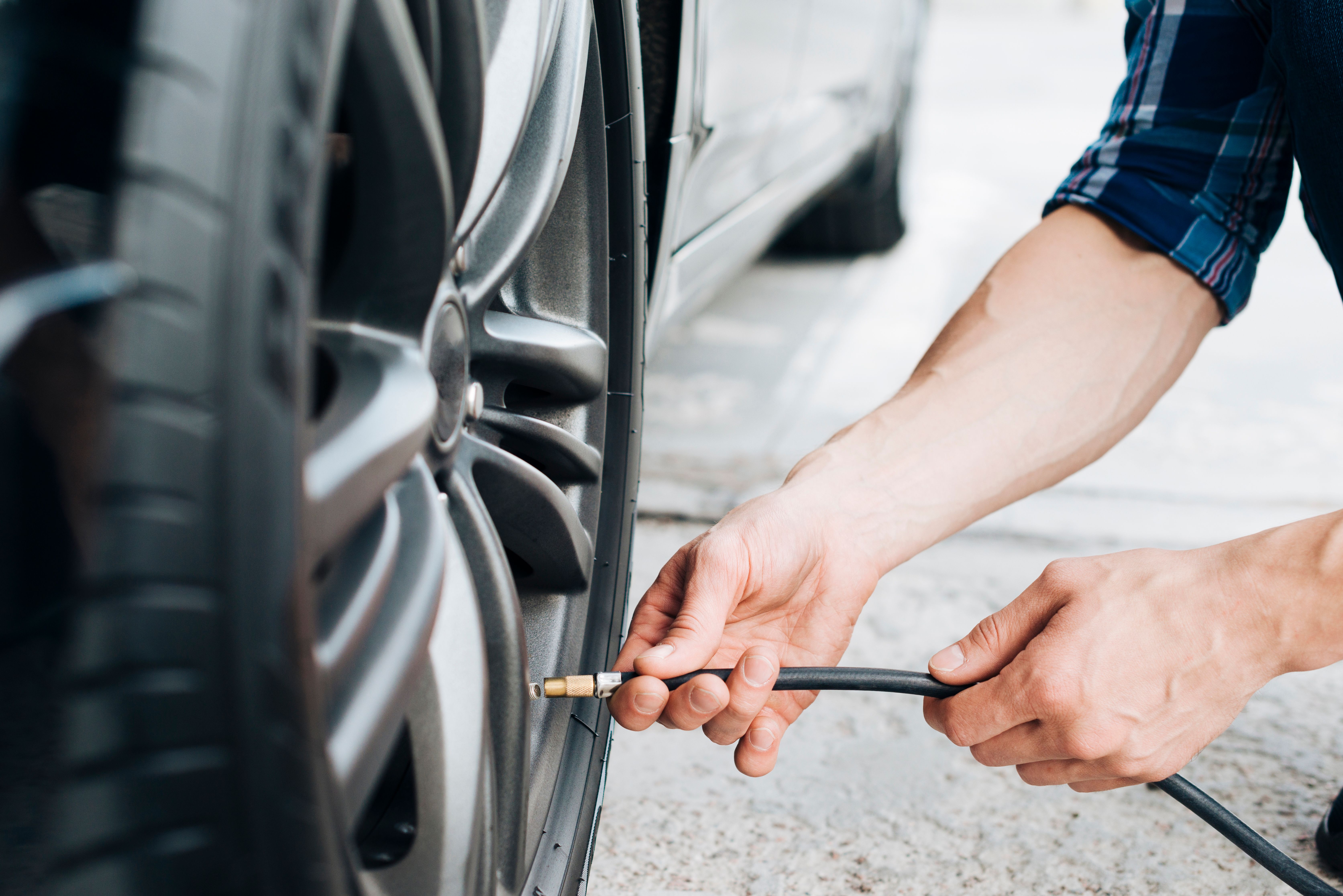
1. Why Tyre Pressure Matters
Too Much Pressure = Less Grip
Overinflated tyres have a smaller contact patch, reducing grip.
They also heat up faster and become inconsistent over long runs.
The car will feel nervous, with less stability under braking and cornering.
Too Little Pressure = Sloppy Handling
Underinflated tyres overheat quickly, making them greasy.
The car may feel soft and unresponsive, with excessive sidewall flex.
More rolling resistance = slower acceleration and increased wear.
The Sweet Spot = Maximum Grip
The goal is to find the ideal hot pressure—the pressure when the tyres are up to temperature.
This maximises the contact patch, improving grip, stability, and tyre longevity.
Did you know ? : Some mistakenly believe that a very worn road tyre starts to work like a slick racing tyre. This is not correct because the two types of tyre work very differently. A worn road tyre has less rubber to dissipate the heat so will overheat and just make the car less easy to control.
2. Tyre Temperatures: The Key to Grip
Tyres work best in a specific temperature range:
- Road Tyres: 60-90°C
- Track-Day/Semi-Slick Tyres: 70-110°C
- Full Slick Racing Tyres: 90-130°C
Too Cold – If your tyres are below the ideal range, they’ll feel slippery and won’t grip well.
Too Hot – Overheated tyres feel greasy, reducing grip and increasing wear.
How to Check Temperatures
Use a pyrometer to check temps across the inner, middle, and outer edges of the tyre immediately after a session.
- Even Temperature Across the Tyre = Perfect setup!
- Middle Hotter Than Edges = Overinflated—reduce pressure.
- Edges Hotter Than Middle = Underinflated—increase pressure.
- One Side Hotter Than the Other = Check camber settings, but also bear in mind most circuits have more corners turning in one direction rather than another so inevitably tyres on one side of the car can be expected to show slightly different temperatures. The same applies to the front tyre that is taking the most load through the corners on any given lap.
3. Adjusting Tyre Pressures for Maximum Grip
Setting Cold Pressures
Before going on track, your tyres will be at their cold pressure (typically 1.5-2.2 bar / 22-32 PSI). As they heat up on track, the pressure rises.
Example:
- A cold pressure of 26 PSI might increase to 34 PSI after a few hot laps.
- If your target hot pressure is 32 PSI, you’d start around 24-25 PSI cold.
Pro Tip: Ask experienced drivers at your track day for recommended starting pressures, or check the manufacturer’s advice for your tyre type.
4. Adjusting for Weather & Track Conditions
Hot Day – Tyres will heat up more, so start with lower cold pressures.
Cold Day – Tyres take longer to warm up, so start with slightly higher cold pressures.
Wet Conditions – Depending on the type of tyre - lower pressures slightly to increase the contact patch and improve grip on a slippery surface, but there can be advantages to over inflating some tyres slightly to open up the grooves so they can displace more water when the track is very wet but you should adopt a very smooth style to your driving.
Obviously if you run slick tyres in the wet you can expect to secure a errrr “reputation”.
Surface Type Matters Too:
- Smooth tracks (e.g., Silverstone) ? More pressure to reduce rolling resistance.
- Rougher tracks (e.g., Thruxton) ? Slightly lower pressures for better compliance.
5. Checking & Adjusting Pressures During the Day
Check hot pressures after 3-5 laps—adjust as needed.
Let tyres cool before checking cold pressures again if you’re making changes between sessions.
Keep a log—track what pressures worked best for different conditions.
Pro Tip: Over a full track day, temperatures and pressures fluctuate. If grip starts dropping, check pressures before assuming it’s driver error!
6. Camber, Toe, and How They Affect Tyre Wear
Your alignment settings also impact tyre pressures and wear patterns.
Camber – Negative camber (top of the tyre tilts inward) helps with cornering grip but increases inner tyre wear.
Toe – Too much toe-in or toe-out can cause uneven heating and premature wear.
Balance is key! If your tyres wear unevenly, adjust pressures first, then alignment if necessary.
7. The Ultimate Tyre Pressure Checklist
Set a baseline cold pressure before going on track.
Measure hot pressures after a few laps—adjust as needed.
Use a pyrometer to check tyre temperatures for even heat distribution.
Log your settings—different tyres and tracks may need different setups.
Adjust for weather, surface, and driving style.
Remember: Tyres are the most important part of your track setup—get them right, and you’ll unlock more grip, better lap times, and a more predictable car.