

Racing Flags
Flags are the primary method track workers and event organizers use to communicate with drivers during a session. They are displayed at flag stations located alongside the track, typically near corners. Not all flag stations will be staffed, so during your first lap, take note of which ones are active.
Flags indicate the condition of the upcoming section of the track, which remains in effect until the next manned flag station. For instance, if you see a yellow flag, it means you must slow down and maintain caution until you reach a manned station that is not displaying a yellow flag.
While racing flags are mostly universal and even used in events like Formula 1, their exact meanings can vary slightly depending on the organization or event. Below are the common flags you’ll encounter:
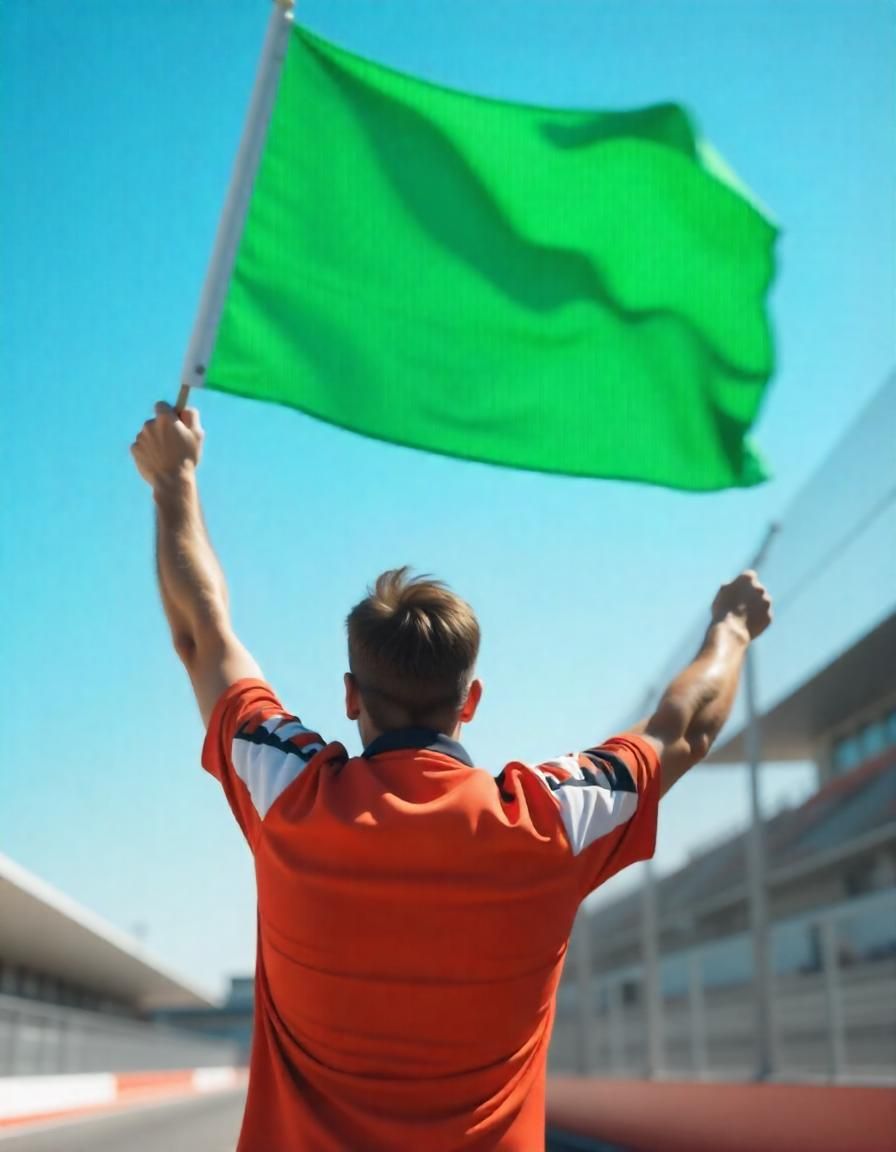
Green Flag – Go
A green flag means all conditions are normal and you’re free to drive at pace. It is most often seen at the start/finish line.
Blue Flag (may have a diagonal yellow stripe) – Yield to Faster Traffic
A faster car is approaching from behind. Allow them to pass at the next safe opportunity.
Standing Yellow Flag – Caution
Reduce your speed to about 60%. There is a hazard ahead, such as debris, oil, or a stopped vehicle. Stay alert and do not pass other cars. A yellow flag with red stripes specifically signals surface conditions like dirt, gravel, or oil.
Note: On the first lap of the day, yellow flags may be shown around the entire track to help drivers spot active flag stations.
Waving Yellow Flag – Increased Caution
This indicates an immediate hazard ahead that may require evasive action. Treat it with more urgency than a standing yellow.
Black Flag – Driver Warning
This signals that your driving has raised concerns (e.g., spinning, off-track excursions, or unsafe behavior). Pull into the pit lane and speak with a track official. Generally, receiving three black flags means your day on track is over.
Waving Black Flag (or black flag at all stations) – Session Stopped
An incident has occurred that requires all cars to exit the track. Return to the pit lane and await instructions.
Black Flag with Orange Circle (“Meatball”) – Mechanical Issue
Track staff have observed a mechanical problem with your car (e.g., loose bodywork, smoke, or open trunk). Pull into the pits and speak with an official.
Red Flag – Emergency Stop
A serious situation (like a crash requiring emergency vehicles on track) has occurred. Come to a controlled stop off to the side of the track, within sight of a flag station, and wait for instructions.
Checkered Flag – End of Session
The session is complete. Finish your current lap at a cooldown pace and exit the track at the designated point. Do not attempt an extra lap—doing so may result in a black flag and could delay the next group. This flag will be shown at start/finish and possibly at another flag station.
Reminder: Different tracks and organizers may have variations in flag use. The driver's meeting at each event will clarify the exact meanings used that day. Be sure to pay close attention.